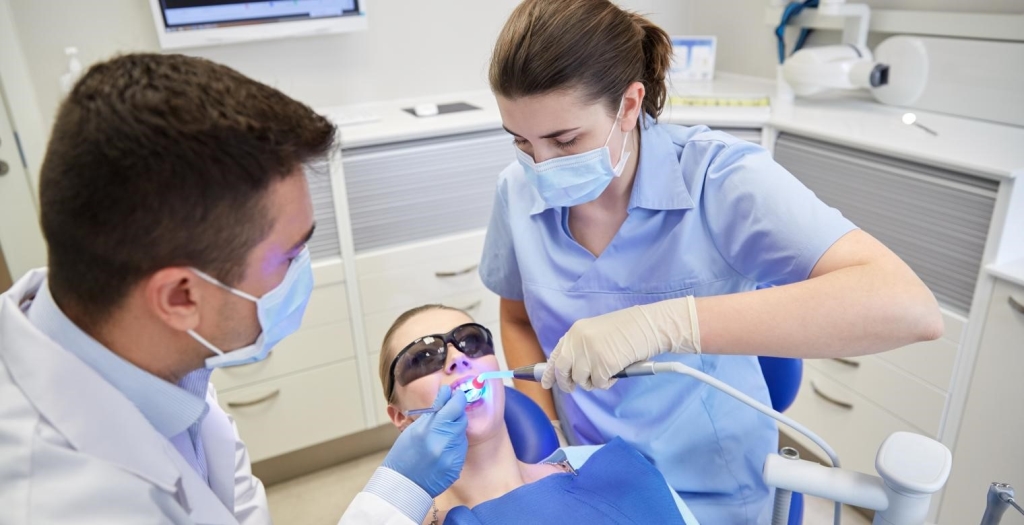
Ultimate Guide to Dental Assistant On-the-Job Training: Boost Your Skills and Career Success
Entering the world of dental assisting is an exciting journey filled wiht opportunities for growth and professional development. One of the most effective ways to accelerate your career in this field is through complete on-the-job training. Whether you’re just starting out or looking to enhance your existing skills, understanding how to maximize your on-the-job learning can make a significant difference. This ultimate guide offers valuable insights, practical tips, and strategies to help dental assistants succeed through effective on-the-job training.
Understanding the Importance of on-the-Job Training for Dental Assistants
On-the-job training (OJT) is a crucial component of becoming a proficient dental assistant. It involves hands-on learning directly within a dental practise, allowing you to apply theoretical knowledge to real-world patient care. Unlike customary classroom education, OJT offers practical experience that develops your technical skills, clinical competence, and patient management abilities.
Why is on-the-job training essential for dental assistants?
- Develops real-world clinical skills
- builds confidence in assisting procedures
- Understanding dental office workflows
- Enhances patient communication skills
- Prepares you for certification exams and career advancement
Key Components of Effective Dental Assistant On-the-Job Training
1.Technical Skills Development
Hands-on practice in areas like sterilization, setting up dental trays, taking X-rays, and assisting during various procedures is vital. practice under supervision helps you refine your technique and ensure patient safety.
2. Understanding Dental Software and Equipment
Learn to operate dental management software, digital radiography tools, and other dental technology essential for daily operations. Familiarity with equipment increases efficiency and reduces errors.
3. Patient Interaction and Communication
On-the-job training provides opportunities to develop interpersonal skills, empathy, and professionalism when dealing with diverse patients.
4. Infection Control and Safety Protocols
Real-world practice ensures you understand and adhere to strict sterilization standards, safety guidelines, and OSHA regulations.
Benefits of On-the-Job Training for Dental Assistants
| Benefit | Description |
|---|---|
| Accelerated Learning | Practical experience speeds up mastery of clinical skills compared to theory alone. |
| Career Advancement | Gaining real-world skills opens doors to higher positions and specialization opportunities. |
| Increased Confidence | Consistent practice builds self-assurance in assisting procedures and patient interactions. |
| Network Building | On-the-job training allows relationships with experienced professionals, fostering mentorship opportunities. |
| Better Job performance | Hands-on learning translates to improved efficiency and quality of care. |
Practical Tips for Making the Most of On-the-Job Training
- Be proactive: Volunteer for new tasks and ask questions to increase your exposure.
- Seek feedback: Regularly ask supervisors for constructive criticism and areas for improvement.
- Maintain a training journal: Document skills learned and goals achieved for self-assessment.
- Observe experienced assistants: Watch and learn techniques from seasoned professionals.
- Stay organized: Keep track of procedures mastered and identify gaps in your knowledge.
- Practice dental ergonomics: Adopt proper body positioning to prevent injury during long procedures.
- Continuously learn: Supplement your OJT with online courses, workshops, and reading materials.
Case Studies: Success stories of Dental Assistants Through On-the-Job Training
Case Study 1: From Novice to Certified Dental Assistant
maria started her career as an entry-level dental assistant with minimal experience. Through dedicated on-the-job training, she mastered radiography, sterilization, and patient communication.With her increased skills, Maria pursued certification and now manages her dental practice’s front desk and clinical tasks successfully.
Case Study 2: Specializing in Dental Implants
James took advantage of on-the-job training in a practice specializing in dental implants. He learned surgical assisting techniques, advanced instrumentation, and patient care management in this niche. His hands-on experience helped him become a certified implant assistant, opening new career pathways.
First-Hand Experience: Tips from Experienced Dental Assistants
“Always be eager to learn and show initiative. The more you engage with your team and take on responsibilities, the quicker you’ll develop confidence and proficiency.”
“Don’t fear making mistakes.view them as learning opportunities. Remember, practice under supervision is where skill truly develops.”
“Build good relationships with your colleagues and supervisors. Networking can led to mentorship and career growth.”
Conclusion
Embarking on your journey as a dental assistant can be both rewarding and fulfilling. Effective on-the-job training is the cornerstone of developing the vital skills needed to succeed in this vibrant healthcare field. By actively engaging in practical learning, seeking feedback, and continuously expanding your knowledge, you can accelerate your career, enhance your clinical competence, and confidently provide exceptional patient care.
Remember, the path to becoming a skilled dental assistant is paved with hands-on experience, perseverance, and a passion for learning.Embrace every chance to gain practical skills, and you’ll be well on your way to a accomplished, long-lasting career in dental assisting.