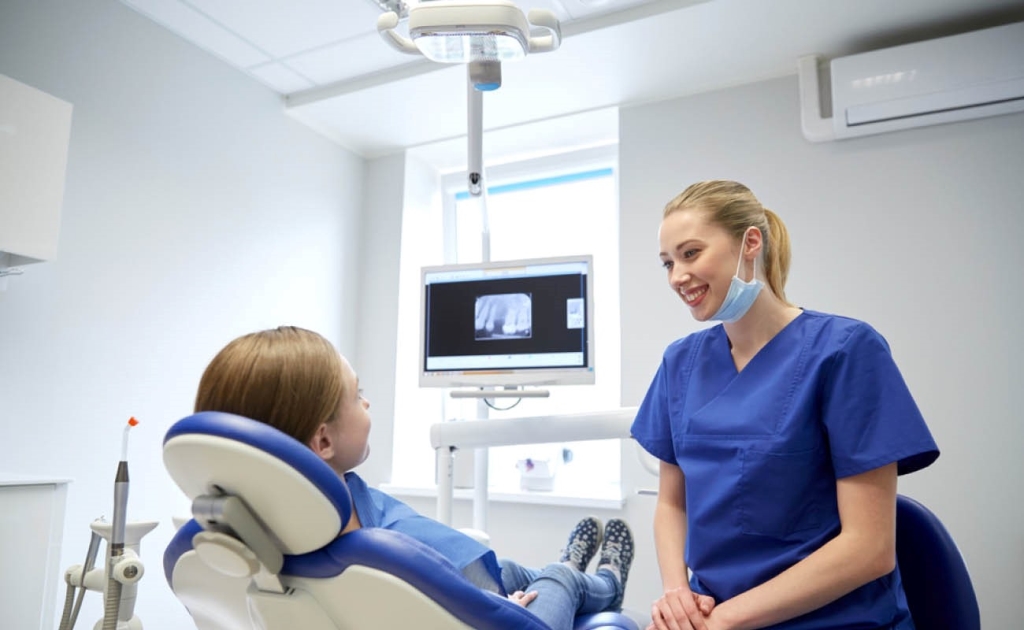
What Do Dental Assistants Do? Essential Roles adn Responsibilities Explained
If you’ve ever visited a dental office and wondered who keeps the chairside experience smooth, you’ve already met a dental assistant in action. dental assistants are the versatile pros who support dentists, care for patients, and help the practice run efficiently from morning to closing time. This guide dives into the essential roles and responsibilities of dental assistants,with practical examples,tips for aspiring professionals,and real-world insights you can apply whether you’re entering the field or collaborating with a dental team.
Understanding the Role: What is a Dental Assistant?
A dental assistant is a frontline member of the dental team who combines clinical skills, patient care, and administrative know-how.Depending on the country, state, or province, the scope of practice may vary, but common responsibilities typically include chairside support, infection control, patient comfort, and administrative tasks. Dental assistants often bridge the gap between the patient’s experience and the dentist’s clinical workflow, ensuring procedures proceed efficiently and safely.
Key qualities of a successful dental assistant include strong communication, attention to detail, manual dexterity, empathy, and the ability to multitask in a fast-paced environment. Whether you’re considering a career switch or starting out, understanding these core duties helps you gauge the pathway, required training, and potential growth opportunities.
Core Roles and Responsibilities
1) Chairside Assistance
Chairside assistance is the heart of a dental assistant’s daily work. This involves preparing instruments,passing tools to the dentist,and anticipating needs during procedures. Rapid, precise instrument transfer can significantly improve procedure flow and patient comfort.
- Scaffold the procedure by setting up trays with the correct instruments.
- Hand instruments to the dentist smoothly and safely.
- Keep access to suction, high-volume evacuator, and dental dams available as needed.
2) Sterilization and Infection Control
Sterilization and infection control are critical for patient safety. Dental assistants sanitize, disinfect, and sterilize clinical surfaces, instruments, and equipment according to strict guidelines.
- Autoclave, chemical vapor, or other approved sterilization methods.
- Operate sterilization monitoring indicators and maintain sterilization records.
- Prepare sterile instrument sets for each patient and ensure proper packaging.
3) Patient Care and Comfort
Patient care goes beyond the clinical task list.Dental assistants help patients feel at ease, explain procedures, and manage anxiety or fear with compassionate communication.
- Provide pre- and post-procedure instructions clearly.
- Assist patients with positioning, chair comfort, and relief options during procedures.
- Monitor vitals or report concerns to the dentist when needed.
4) Administrative Duties
Administrative tasks ensure the practice runs smoothly. Dental assistants often juggle front-desk responsibilities alongside clinical duties, especially in smaller clinics.
- Appointment scheduling, reminders, and patient intake forms.
- Billing, insurance claims, and patient authorizations.
- Maintaining patient records, treatment plans, and consent forms.
5) Imaging and Radiography Support
In many regions, dental assistants help with radiographic procedures under supervision. This includes taking, processing, and mounting X-rays, and also ensuring radiation safety for patients.
- Prepare imaging equipment and position patients for radiographs.
- Process and label images, and verify image quality before review by the dentist.
- Follow local regulations and continuing education requirements for radiographic certification.
6) Instrument and Equipment maintenance
Keeping tools in good condition prevents delays and supports safe patient care.
- Inspect, assemble, and pass instruments for procedures.
- Clean,lubricate,and maintain equipment per manufacturer guidelines.
- Manage inventory and restock supplies to avoid interruptions during appointments.
7) Infection Control Documentation
Documentation supports compliance with health regulations and quality betterment efforts.
- record sterilization cycles, instrument counts, and cleaning logs.
- Maintain PPE usage records and safety protocols.
Education, Certification, and Career Pathways
The path to becoming a dental assistant usually involves a mix of formal education, hands-on training, and sometimes certification. Programs are offered as certificates or diplomas,and some regions require licensing or registration for radiography or expanded duties.
- Certificate or diploma programs in dental assisting from accredited schools.
- Coursework typically covers anatomy, chairside assisting, radiography, sterilization, infection control, and dental ethics.
- Optional certification, such as the Certified Dental assistant (CDA) credential through a national board, can enhance job prospects and salary potential.
- On-the-job training and externships provide practical experience and networking opportunities.
Quick tip: When researching programs, look for accreditation by relevant dental assisting bodies in yoru country, state, or province. If radiography is part of the scope where you live, confirm the required certification and supervised hours.
Career Benefits and Practical tips
Why become a dental assistant?
- Rewarding, hands-on patient care with tangible outcomes.
- Broad job opportunities in private practices,clinics,public health,and specialty offices.
- Strong demand and potential for advancement into roles like office manager, treatment coordinator, or expanded duties positions.
- Flexible schedules,including part-time options in many settings.
Practical Tips for Aspiring Dental Assistants
- Choose an accredited program with hands-on externship opportunities.
- Consider radiography or expanded duties certification if allowed in your area.
- Build soft skills: communication, empathy, association, and teamwork.
- Prepare a focused resume highlighting clinical competencies, infection control, and patient care success stories.
- Network with local dental offices and join professional associations to stay informed about regulations and job openings.
Real-World scenarios: Case Studies
Case Study A: A Busy Pediatric Practice
In a pediatric clinic, a dental assistant supports behavior management strategies, helps with distraction techniques, and ensures child-kind explanations for procedures. The assistant coordinates with parents, guides kids through seating, and maintains a calm atmosphere to reduce anxiety.
Case Study B: Community Clinic in a Rural area
In a rural setting, dental assistants often juggle multiple roles, from sterilization and screening to basic patient education and insurance guidance. Flexibility, strong communication, and meticulous organization help the team deliver essential care despite resource limitations.
Case Study C: Specialty Practice (Cosmetic Dentistry)
In a cosmetic or restorative practice, a dental assistant may spend more time on chairside assistance for veneers, crowns, or digital imaging workflows.Attention to detail in shade selection, material handling, and post-procedure care is critical for patient satisfaction.
First-Hand Experience: A Day in the life of a Dental Assistant
A typical day starts with a quick pre-shift briefing, inventory checks, and preparing treatment rooms. The morning might involve sterilizing instruments,assisting with fillings,and taking a few radiographs for new patient intake. Between procedures, the assistant updates patient records, schedules follow-ups, and ensures the front desk has accurate contact facts.
In the afternoon, the team handles cleanings and evaluations, while the assistant manages patient comfort, explains post-care instructions, and coordinates with the dentist on treatment plans. The day ends with sterilization cycles, equipment checks, and restocking supplies for tomorrow.
Typical Tasks by Setting: Quick Reference
| Setting | Primary Tasks | Key Skills |
|---|---|---|
| General Family Practice | Chairside assisting, sterilization, intake forms, scheduling | Communication, multitasking, organization |
| Pediatric Dentistry | Behavior management, patient comfort, child-safe instruments | PATIENT empathy, calm under pressure, distraction techniques |
| oral Surgery or Endodontics | impression taking, suturing readiness, post-op care | Precision, sterility, postoperative instruction clarity |
| Orthodontics | Assist with brackets and aligners, imaging, patient education | Detail orientation, measurement accuracy, patient coaching |
Frequently Asked Questions
Is a dental assistant required to have formal education?
While requirements vary by location, many employers prefer candidates with a certificate or diploma in dental assisting. Some regions require certification or licensure for radiography or expanded duties.
Do dental assistants work directly with patients?
Yes. They provide chairside support, patient education, comfort measures, and administrative assistance, serving as a key link between patients and the dentist.
What is the difference between a dental assistant and a dental hygienist?
Dental assistants support dentists in chairside tasks and admin duties; dental hygienists focus on preventive care, cleanings, and patient education related to oral hygiene. Scope of practice and required credentials differ between roles.
Conclusion: The essential Value of Dental assistants
Dental assistants are the backbone of the modern dental practice. by seamlessly combining clinical support, infection control, patient-centered care, and efficient administrative duties, they enable dentists to focus on diagnosis and treatment planning while patients receive a calm and informative experience. Whether you’re aiming to start a career in dental assisting or you’re assembling the strongest possible team for your clinic,investing in strong training,clear role definitions,and ongoing professional development will pay dividends in patient satisfaction,workflow efficiency,and overall practice success.
If you’re considering this career, explore accredited programs, seek hands-on externships, and connect with local dental offices to learn about the specific duties in your area. The field offers meaningful daily impact, growth opportunities, and the chance to work with a supportive, professional team that makes patients feel at ease-one appointment at a time.